
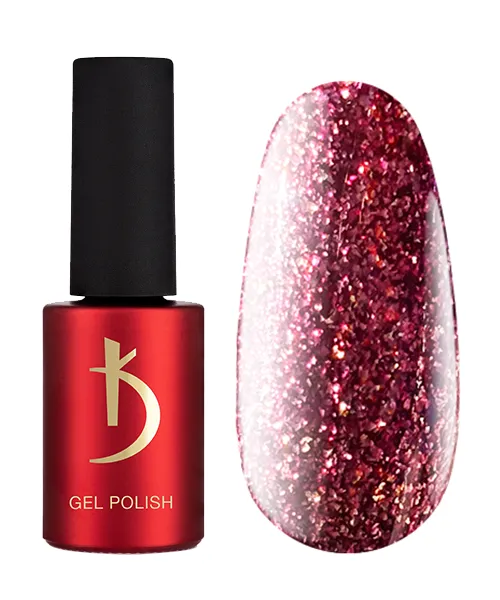
Creating a smooth nail surface is essential in a professional gel manicure. Even when the colour is attractive, uneven structure can make nails look bulky, feel uncomfortable and wear poorly. Product consistency affects how easily a technician can guide the material, build shape and create an even finish.
Some gels are thin and spread quickly, while others are thicker and stay where they are placed. Understanding these differences helps technicians choose the right product for the client’s natural nails and the service being performed.
What Product Consistency Means
Consistency describes how thick, thin or self-levelling a nail product is. A low-viscosity gel moves easily and may suit thin layers, but it can flood the cuticle area if too much is applied. A medium-consistency product offers more control and often works well for strengthening natural nails. Thicker products stay in place longer, making them useful when extra structure is needed.
No single consistency is suitable for every client. The best choice depends on nail length, flexibility, surface condition and the technician’s working speed.
Why Levelling Matters
A properly levelled surface distributes product evenly from the cuticle area to the free edge. It helps prevent visible dips, weak points and unnecessary thickness. The nail should look balanced from the top and side, with a smooth transition rather than a sudden rise in the centre.
Poor levelling can cause problems. Product that gathers near the cuticle may lift, while a heavy free edge can affect comfort and appearance. Thin areas may crack under pressure, especially on flexible nails.
Working With Kodi Cover Base Gel
Kodi Cover Base Gel can be useful when a technician wants to combine colour correction with light strengthening. Its consistency should be managed carefully so the product spreads evenly without moving into the sidewalls.
Begin with a thin contact layer, then add a controlled amount where extra structure is needed. The product should be guided with the brush rather than pushed aggressively. Turning the client’s hand slightly may help the gel move towards the centre and form a more balanced surface.
Because cover bases contain pigment, the layer should not be excessively thick. Darker or more opaque shades may need extra attention to curing guidance so the material hardens properly throughout.
Match Consistency to the Natural Nail
Thin and flexible nails may need support without excessive bulk. Stronger nails may only require a light levelling layer to smooth minor ridges.
The shape of the nail plate also matters. Flat nails may need more structure through the centre, while naturally curved nails may require very little correction. Nails with uneven growth should be assessed individually instead of receiving the same amount of product on every finger. This customised approach creates a more natural result and reduces unnecessary filing.
Control the Product Before Curing
Good levelling depends on timing. If the product is fluid, the technician should work on fewer nails at once and cure them before the gel moves out of position. A thicker product allows more time, but it still needs to be checked from several angles.
View the surface from the side, front and free edge. Reflected light can reveal dips or bumps that are difficult to see from above. Small corrections are much easier before curing than after the product has hardened.
Finishing With Kodi Rubber Top Gel
Once the colour and structure are complete, Kodi Rubber Top Gel can create a smooth protective finish. The top coat should follow the existing shape rather than hide major structural problems.
A controlled layer can improve shine and soften very small surface differences. However, too much top gel may create bulk or collect around the sidewalls. The free edge should be sealed lightly, and the shine line should appear straight before curing.
Avoid Common Levelling Errors
A common mistake is using too much product to create strength. More material does not always improve durability. Excess thickness can make the nail uncomfortable and removal more difficult. Another problem is overworking the gel with the brush. Repeated strokes may create ridges or bubbles. The product should be guided gently and given time to settle.
Technicians should also avoid correcting every uneven area with aggressive filing. Accurate application reduces the need for heavy shaping after curing.
Conclusion
Product consistency influences control, levelling, curing and the final appearance of a gel manicure. By matching the material to the natural nail, using controlled layers and checking the structure before curing, technicians can create smoother and more comfortable results.
Professionals can explore cover bases, top gels and related nail products at kodiprofessional.com. The best finish comes from combining suitable products with careful placement, correct curing and a clear understanding of how each consistency behaves.
